
AI design tools have become integral to the modern creative workflow, serving as intelligent assistants that automate repetitive tasks, generate design variations, and provide data-driven suggestions. Rather than replacing human designers, these tools amplify creativity by handling the tedious aspects of design while freeing professionals to focus on strategic thinking and storytelling.
From generative image creation and UI/UX prototyping to automated layout optimization and brand management, AI is embedded in every stage of the design process. Whether you're a seasoned professional or just starting out, here are the 10 best AI design tools you should know about.
1. Canva (Magic Studio)
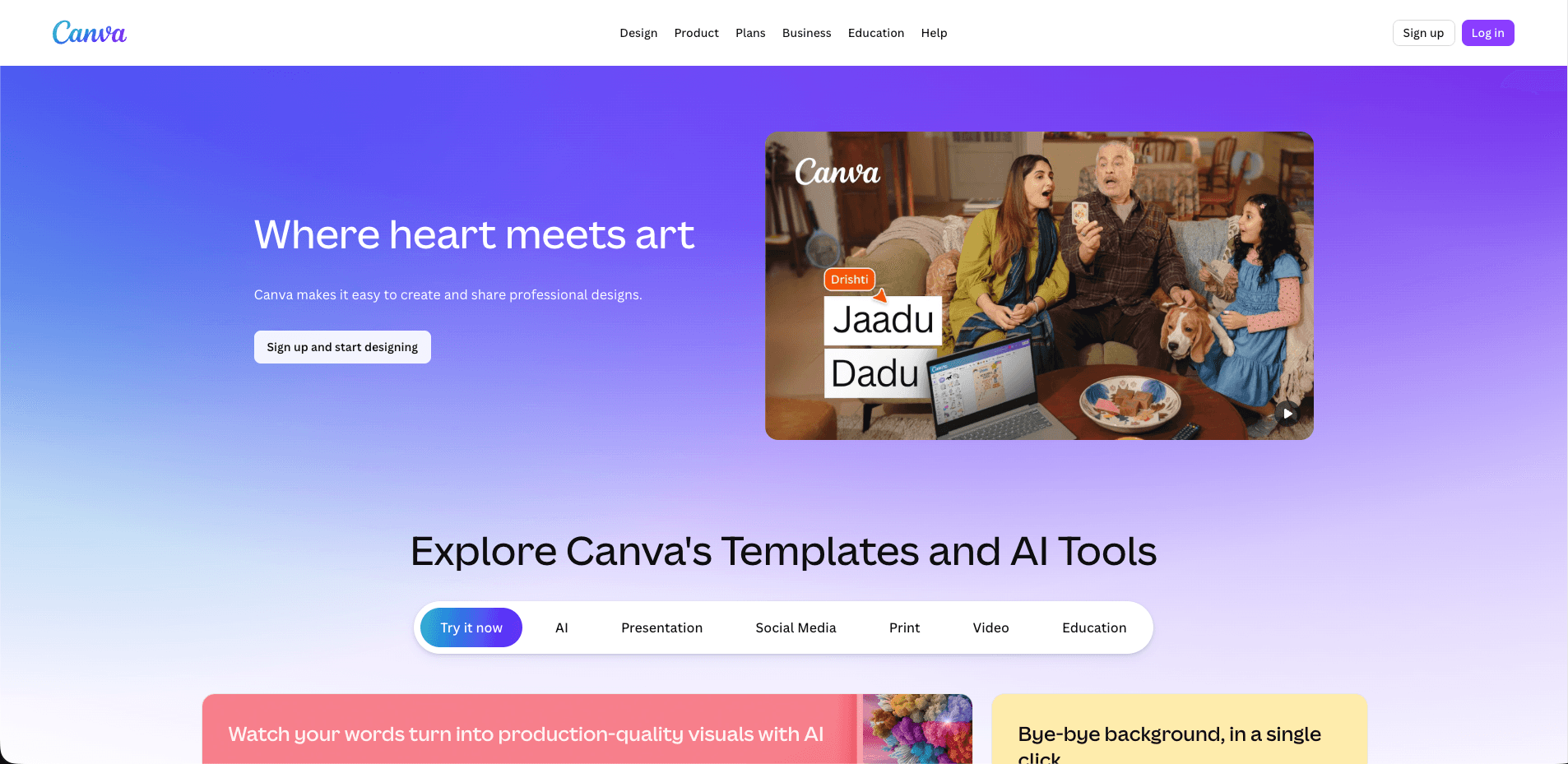
Canva continues to lead the AI design space with its comprehensive Magic Studio features. The platform offers AI-powered design suggestions, text-to-image generation, smart templates, and real-time collaboration — all wrapped in Canva's famously intuitive interface. Canva has enhanced its AI with automatic brand kit application, intelligent resize for any platform, and AI-suggested layouts that adapt to your content. It remains the go-to tool for teams of all sizes, from solo entrepreneurs to large marketing departments.
2. Figma (with AI Features)
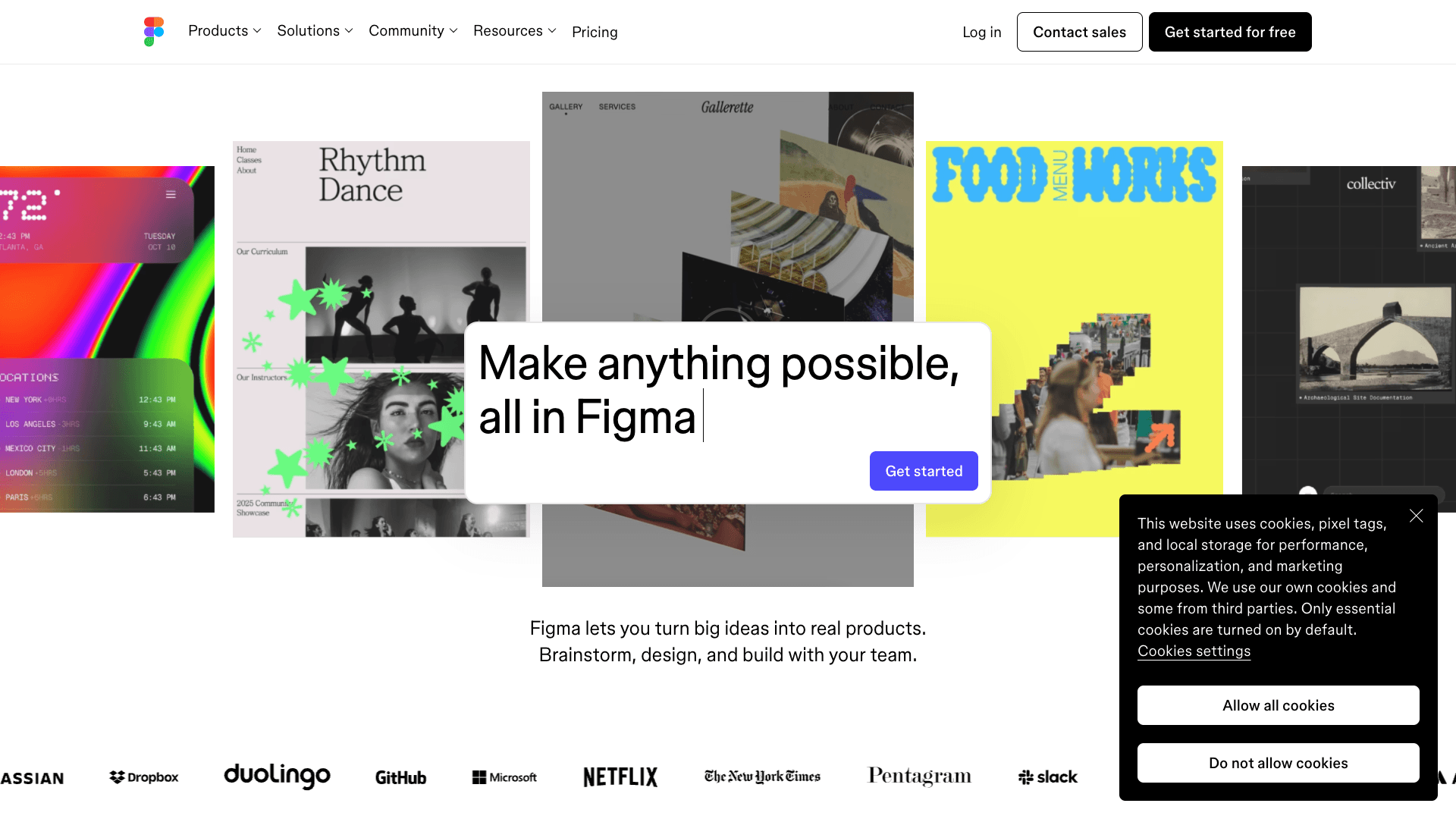
Figma has supercharged its collaborative design platform with AI features, including smart component generation, layout prediction, real-time design feedback, and text-to-design capabilities. These AI-powered additions significantly boost productivity for UI/UX designers, allowing them to rapidly prototype, iterate, and test designs. Figma's AI plugins, including Magician and Galileo AI, extend its capabilities even further, making it the cornerstone of modern product design workflows.
3. Adobe Firefly (Creative Cloud)
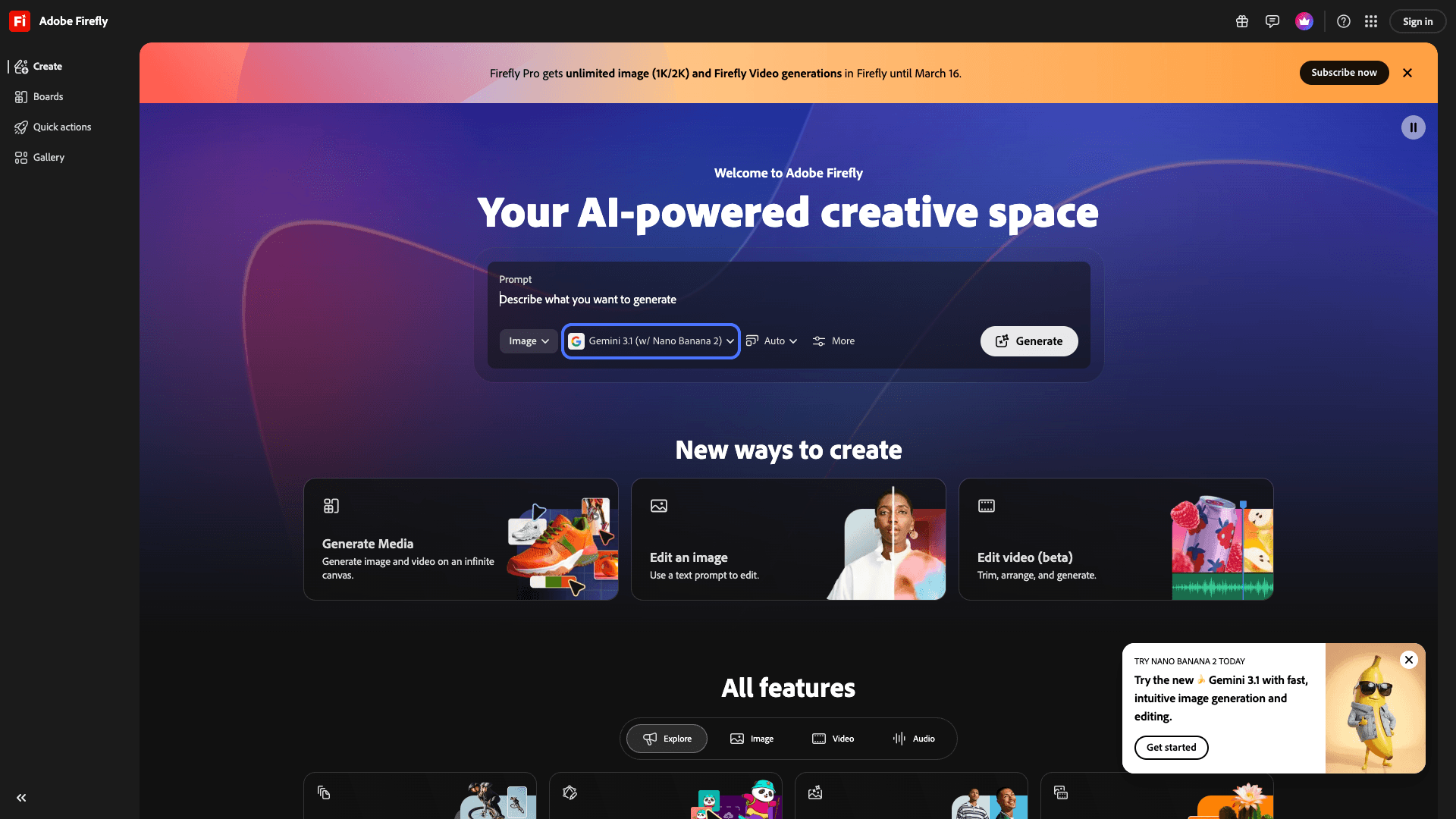
Adobe Firefly is the AI engine powering the next generation of Adobe's Creative Cloud applications. Its generative fill, text-to-image, and style transfer capabilities are seamlessly integrated into Photoshop, Illustrator, and InDesign. Firefly's commercial-safe AI training ensures that all generated content is free from copyright concerns, making it the safest choice for professional design work. Its ability to generate vectors, patterns, and textures from text prompts has transformed the speed of creative production.
4. Midjourney

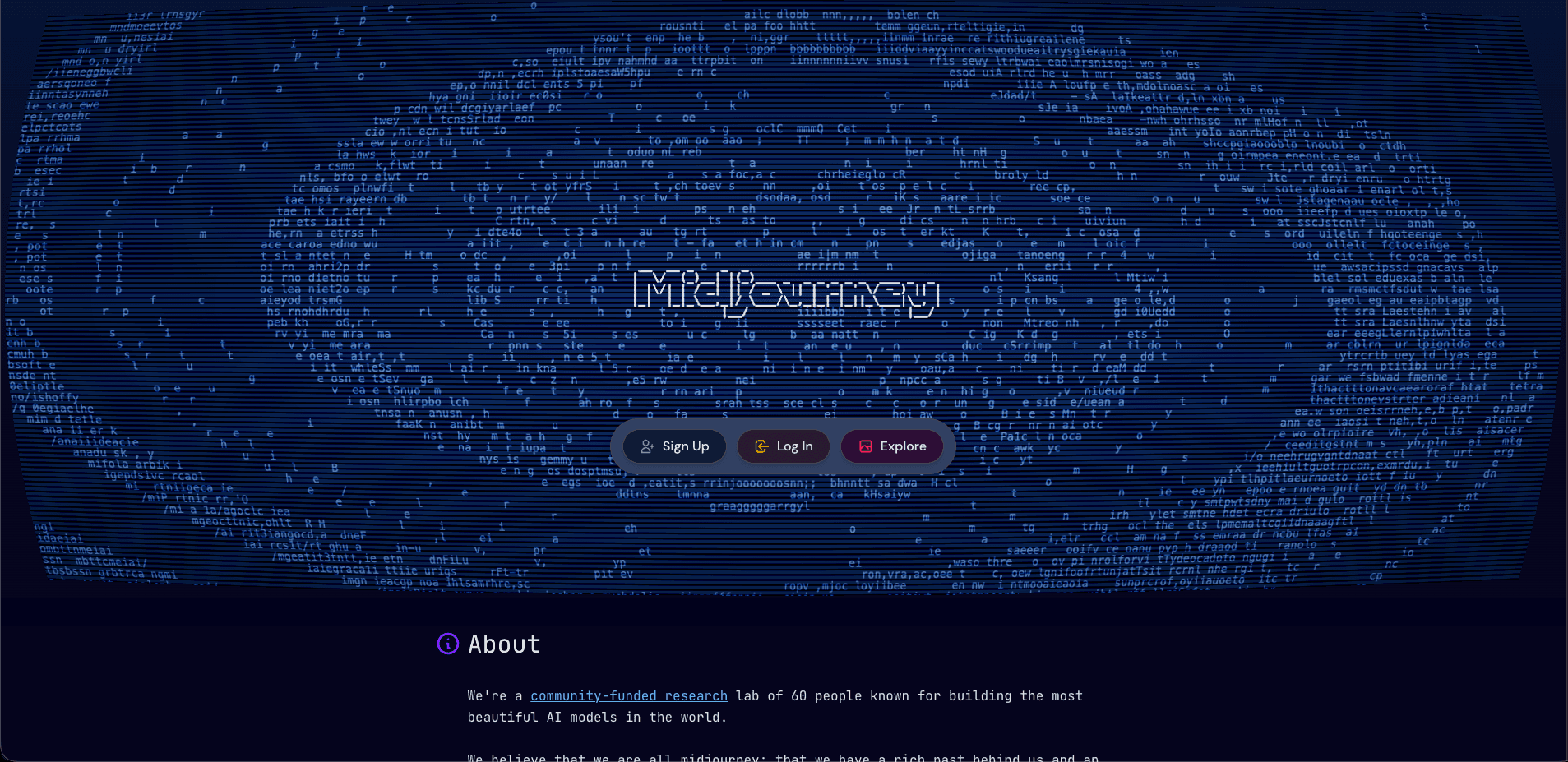
Midjourney remains highly regarded among designers for generating stunning, high-quality concept images that often replace the need for stock photography. Its web-based interface makes it more accessible than ever, with intuitive controls for stylization, composition, and detail. Designers use Midjourney for mood boards, concept exploration, and creating unique visual assets that bring creative visions to life faster than traditional methods.
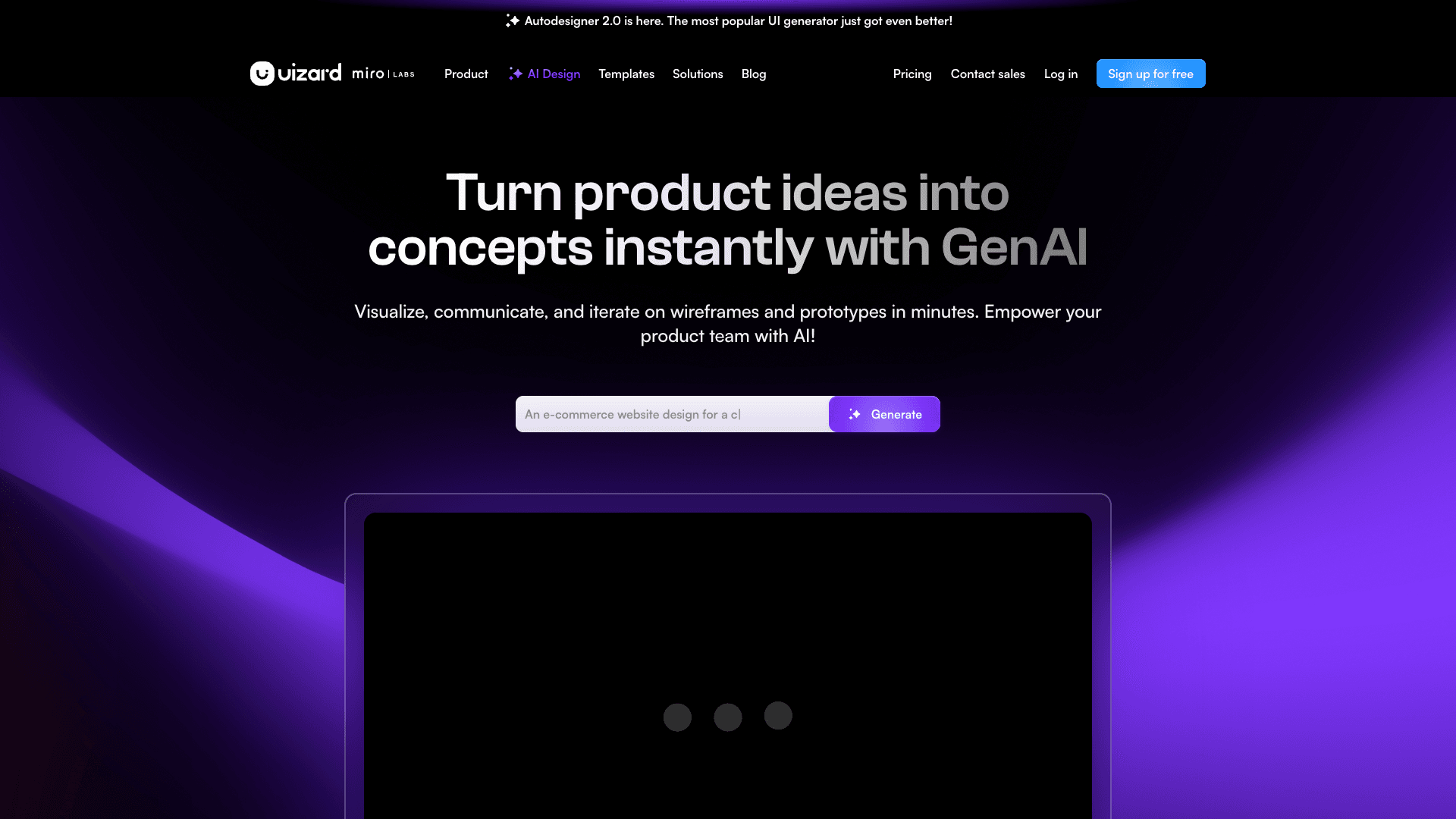
5. Uizard

Uizard accelerates the prototyping process by converting text prompts and even hand-drawn sketches into editable UI wireframes. Uizard's AI has become even more sophisticated at understanding design intent, generating responsive layouts, and suggesting component patterns based on best practices. It's an invaluable tool for product teams that need to quickly explore design concepts and validate ideas before committing to full-fidelity designs in tools like Figma.
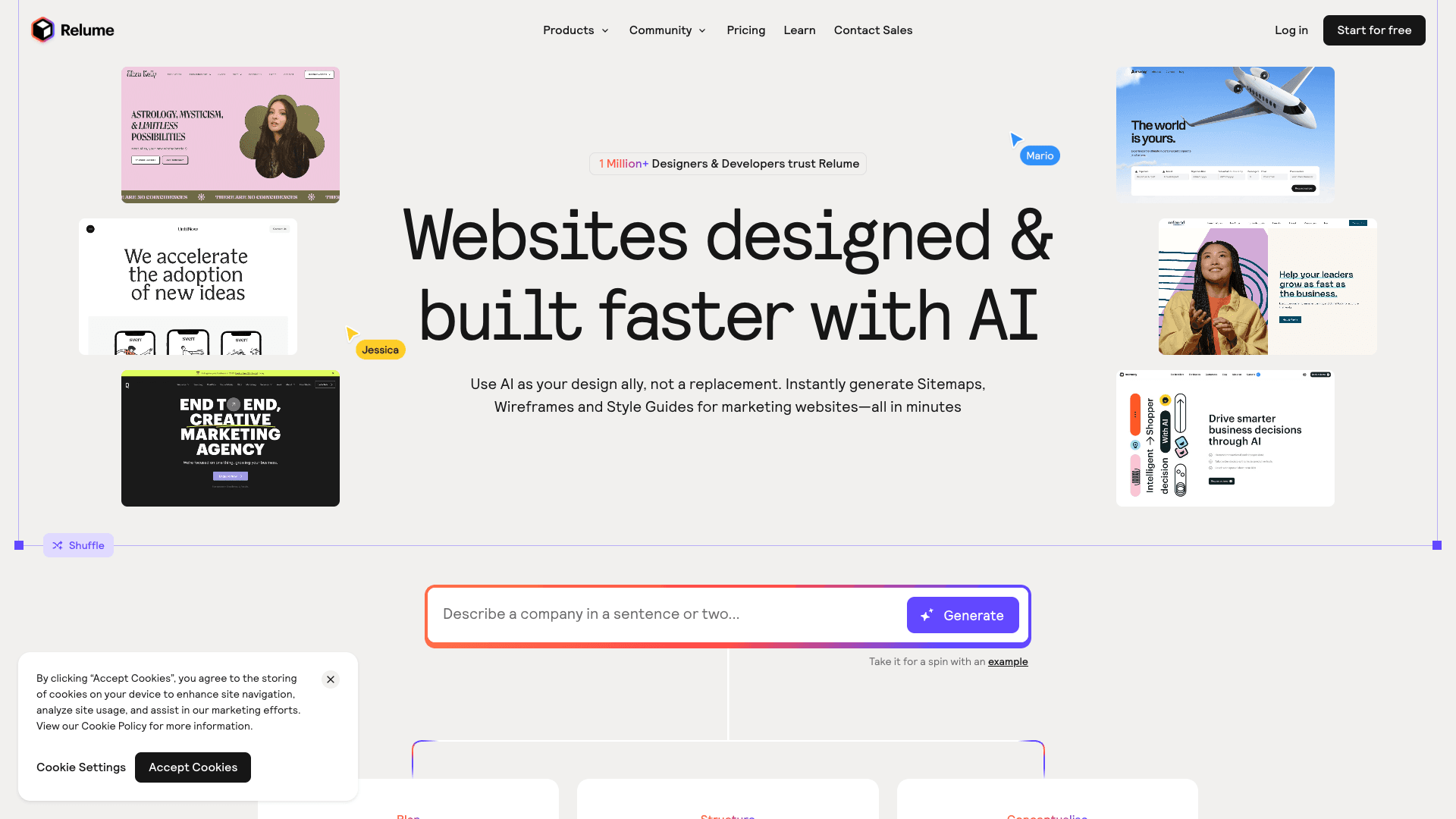
6. Relume

Relume has become a game-changer for web designers, offering AI-powered sitemap generation, wireframing, and even website copy creation. It dramatically speeds up the initial stages of web design by generating complete site structures and content from simple briefs. Relume's AI understands design patterns and can suggest section layouts, navigation structures, and content hierarchies that follow modern web design best practices. Its Figma integration makes handoff seamless.
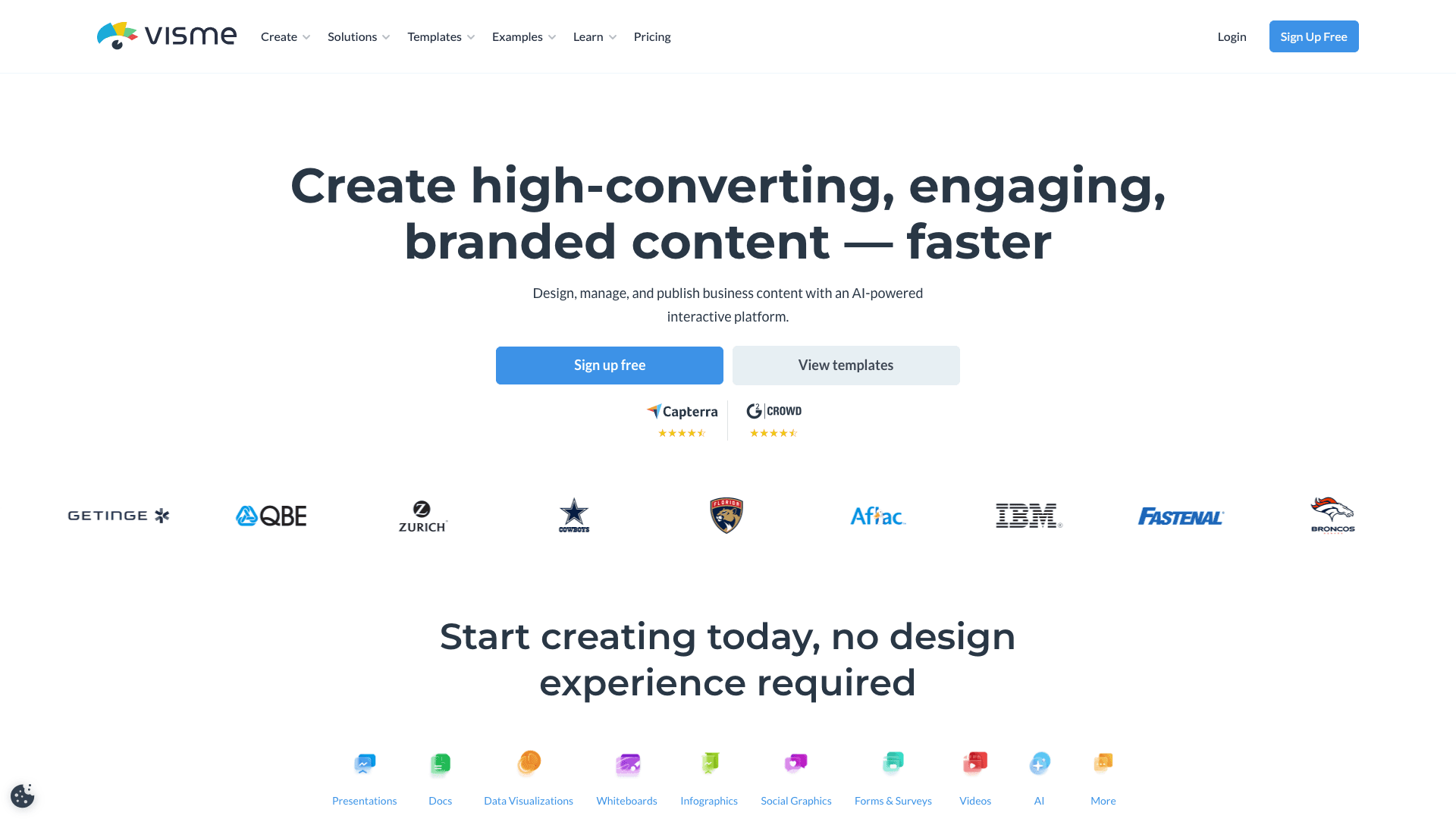
7. Visme

Visme is an AI-powered platform that generates presentations, infographics, and branded content from simple text prompts. Its AI understands how to visualize data effectively, choosing appropriate chart types, color schemes, and layouts that communicate information clearly. Visme has expanded its AI capabilities to include automatic brand application, intelligent data visualization, and AI-suggested design improvements. It's perfect for business professionals who need polished visual documents without deep design expertise.
8. Creatie

Creatie is an AI-powered tool built specifically for UI/UX design that generates ideas and layout suggestions to streamline the design process. Creatie helps designers explore more design directions in less time by automatically generating component variations, color palettes, and responsive layouts based on design requirements. Its AI understands modern design trends and can suggest improvements that enhance usability and visual appeal.
9. Khroma

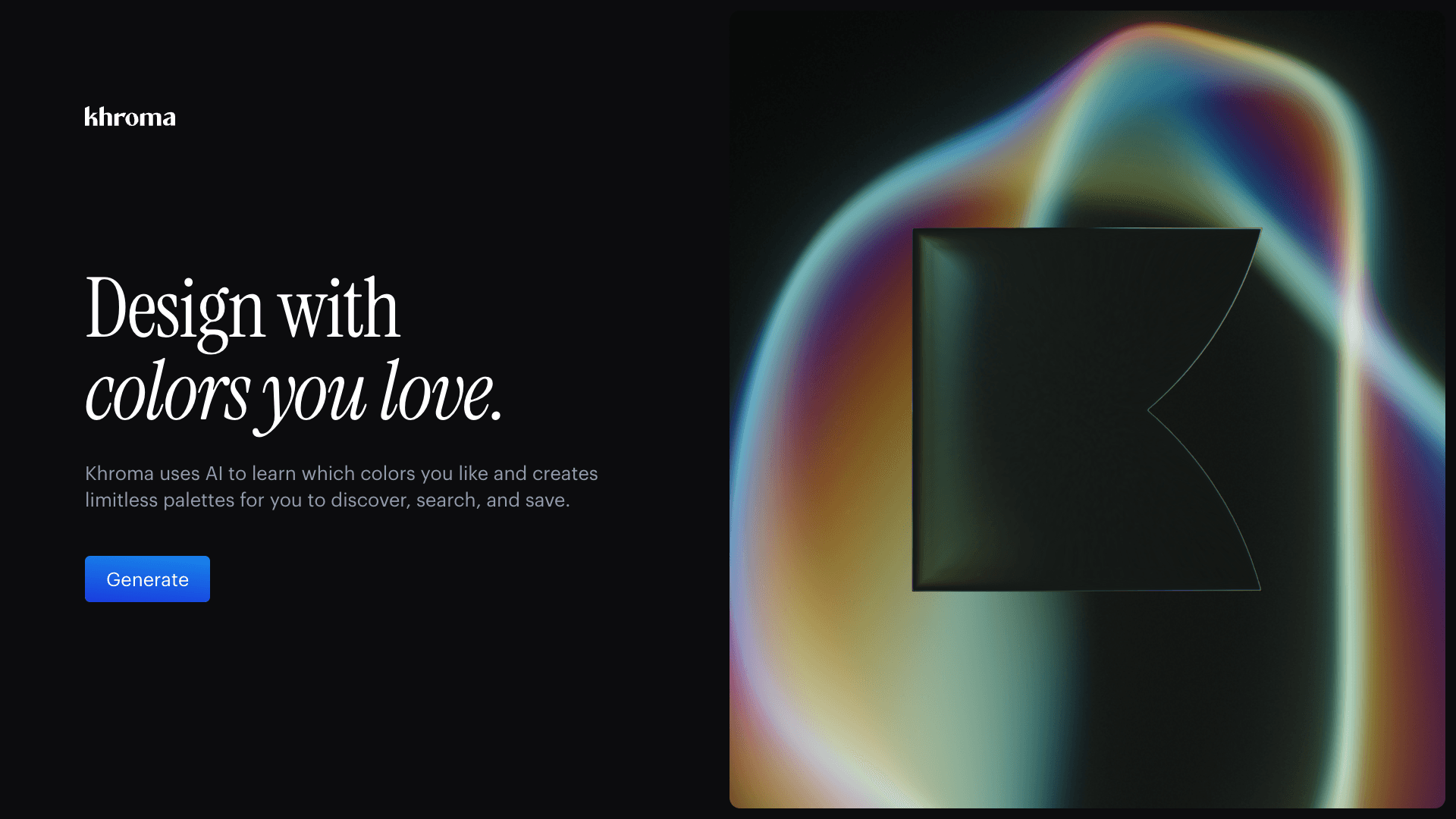
Khroma is an AI-powered color tool that learns your preferences to generate unique, harmonious color palettes. Khroma has deepened its integration with popular design software, making it easy to apply AI-generated palettes directly in your projects. The tool analyzes thousands of successful designs to suggest color combinations that work across different contexts — from web interfaces to print materials. It's an essential companion for designers who want to ensure their color choices are both beautiful and accessible.
10. LetsEnhance.io

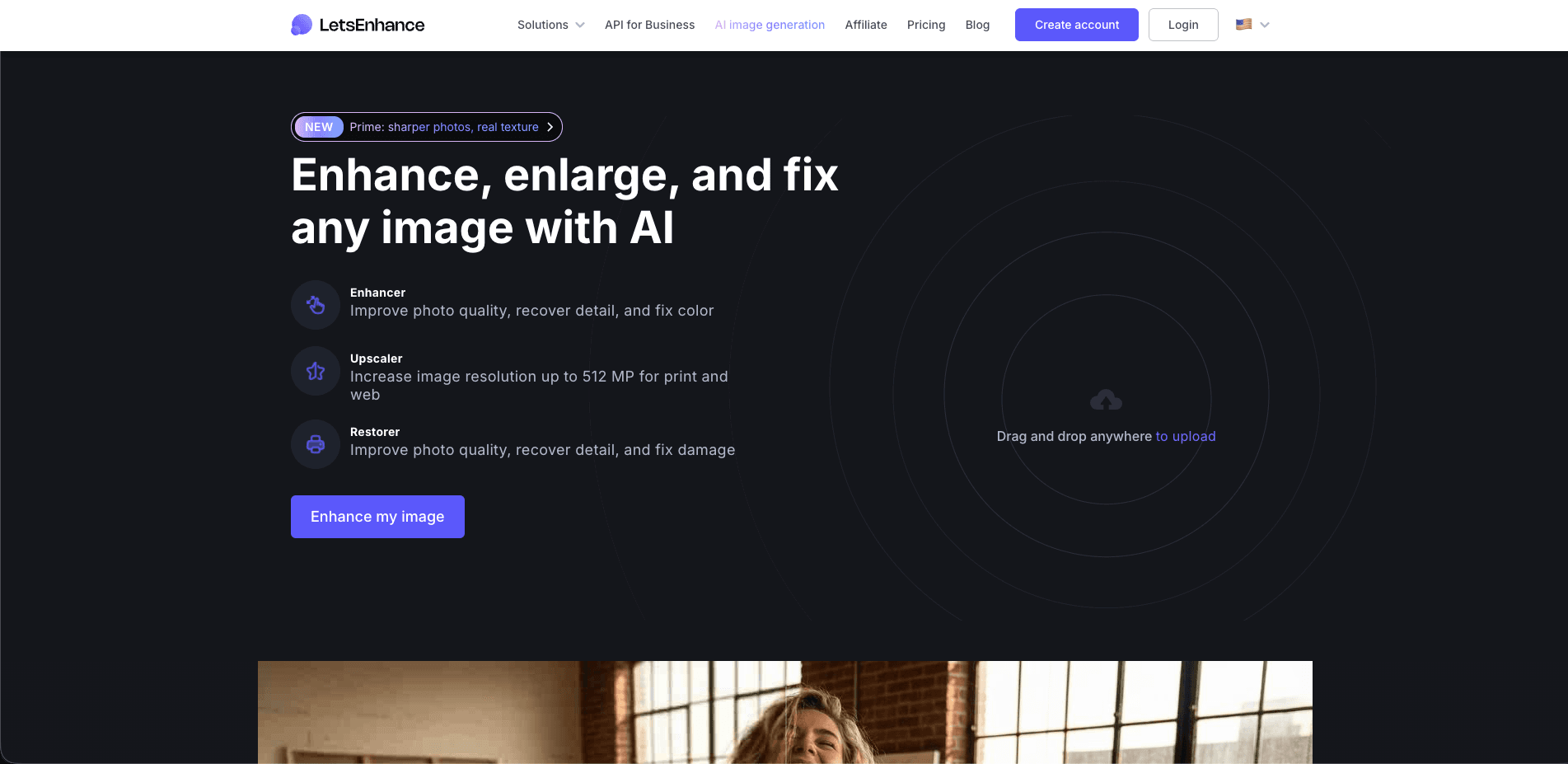
LetsEnhance.io specializes in AI-powered image upscaling, making it indispensable for designers who need to work with low-resolution assets. Its AI can upscale images by up to 16x while preserving — and even enhancing — detail, textures, and color accuracy. The platform is particularly useful for rescuing old images, preparing assets for large-format printing, and ensuring that every visual in your design looks crisp at any resolution.